
Rifted Moments
Captures the flashpoints where a single event reveals deeper political fractures. These pieces focus on moments that expose tension, contradiction, or institutional strain as it unfolds in real time.
Below is a collection of Rifted Moments analysis, examining how brief incidents can reshape narratives, accelerate conflict, and linger long after the headlines move on.
-
Rift Moment: February 15, 2003, When the World Said No and Power Said Go
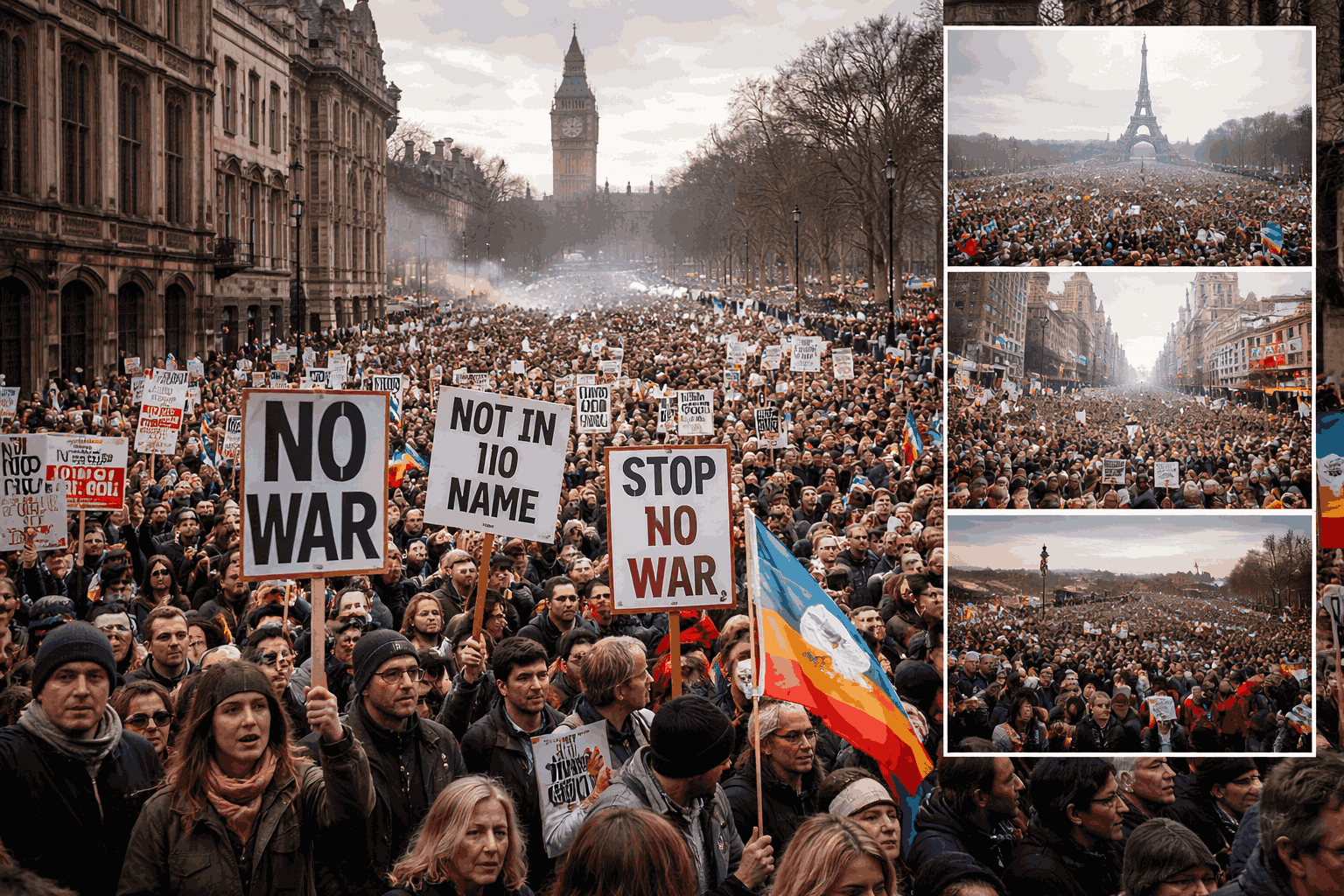
February 15, 2003, millions marched across borders, and the decision to invade moved forward anyway. Rift Moment: February 15, 2003, When the World Said No and Power Said Go On February 15, 2003, the world tried to intervene in real time. Millions filled streets from London to Rome, from Madrid to New York, not to Read more
-
On This Day, February 6, 1933
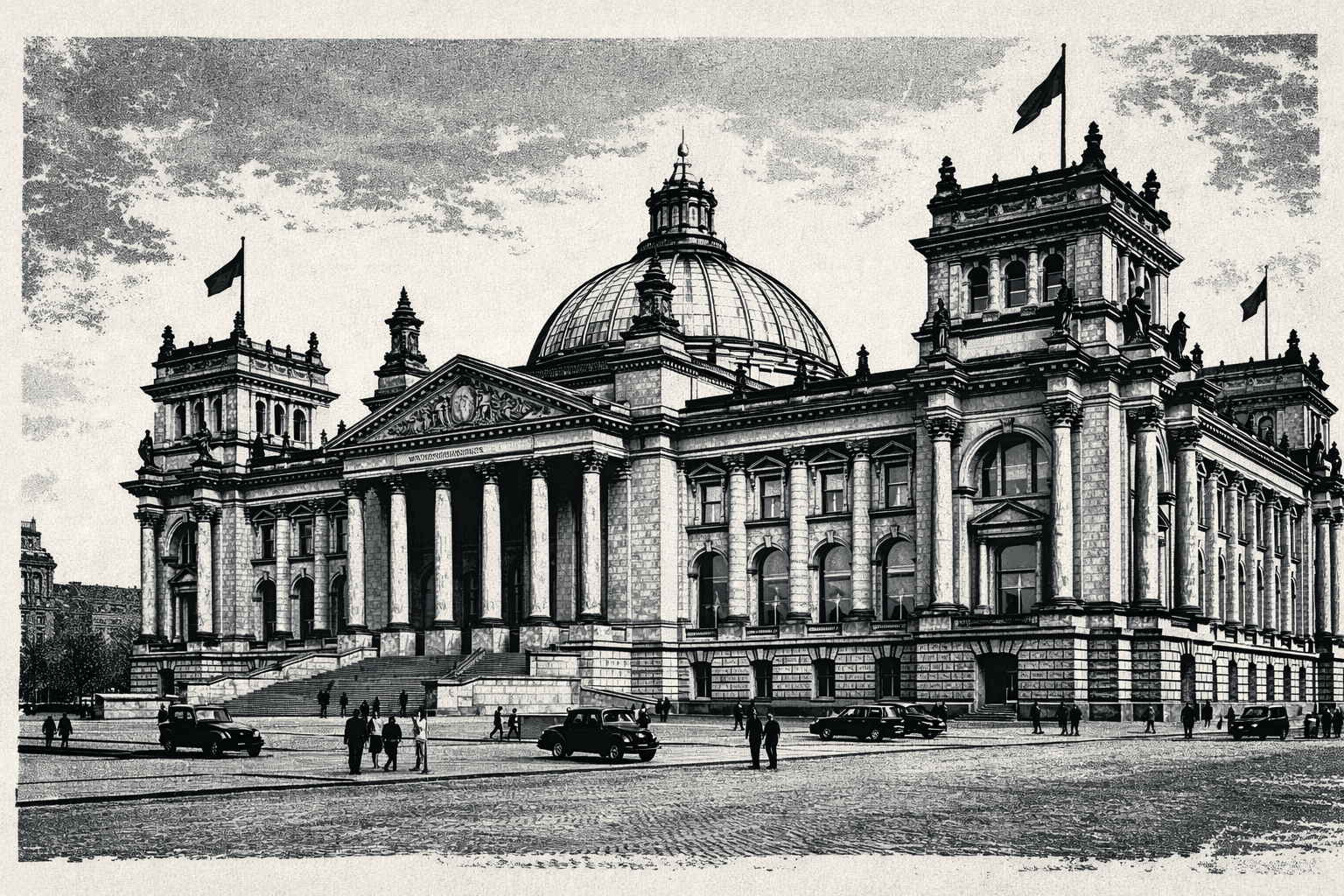
On This Day, February 6, 1933 The Reichstag building in Berlin, seat of Germany’s parliament during the Weimar Republic. Adolf Hitler, recently appointed Chancellor of Germany, delivered a formal address to the Reichstag in Berlin. The speech outlined a program centered on economic recovery, public order, and national governance. It took place within the parliamentary Read more
-
A Defining Moment for Judicial Power, February 5, 1937
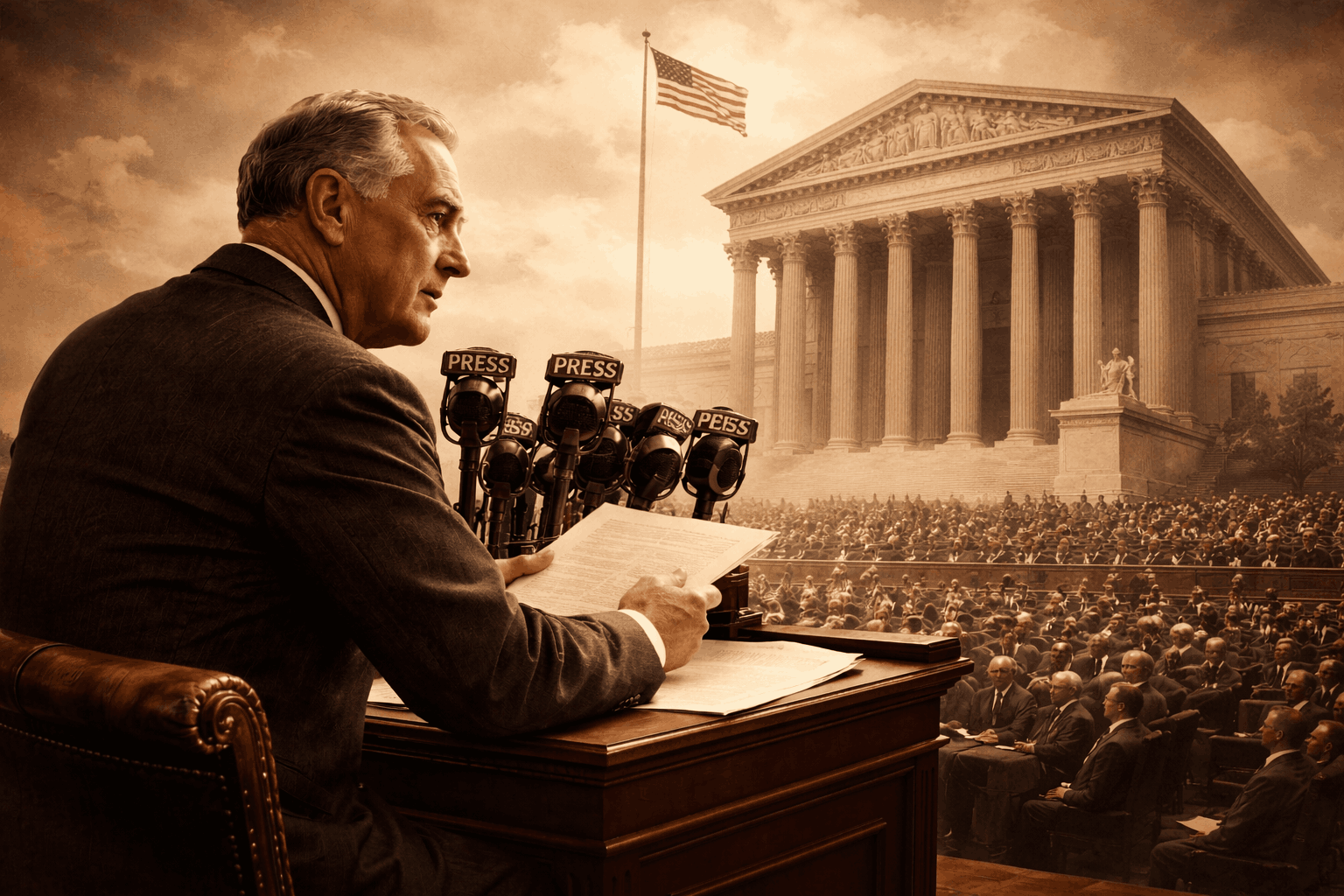
The Supreme Court as an institution, a symbol of constitutional limits and political pressure. On This Day in Political History, February 5, 1937 The opening weeks of 1937 produced one of the most consequential governance debates of the New Deal era. The plan was framed as a structural reform, but it sparked a much larger Read more
-
When Fear Becomes Policy: The 1977 Pardon That Still Shapes Immigration and Justice
When a 1977 Pardon Corrects a War Panic, What It Still Reveals About Immigration and Justice In January 1977, the United States quietly revisited a wartime prosecution that never fully settled in the public conscience. President Gerald Ford issued a pardon for Iva Toguri D’Aquino, a U.S. citizen long labeled as Tokyo Rose, after years Read more
-
When Reykjavik Nearly Ended the Cold War
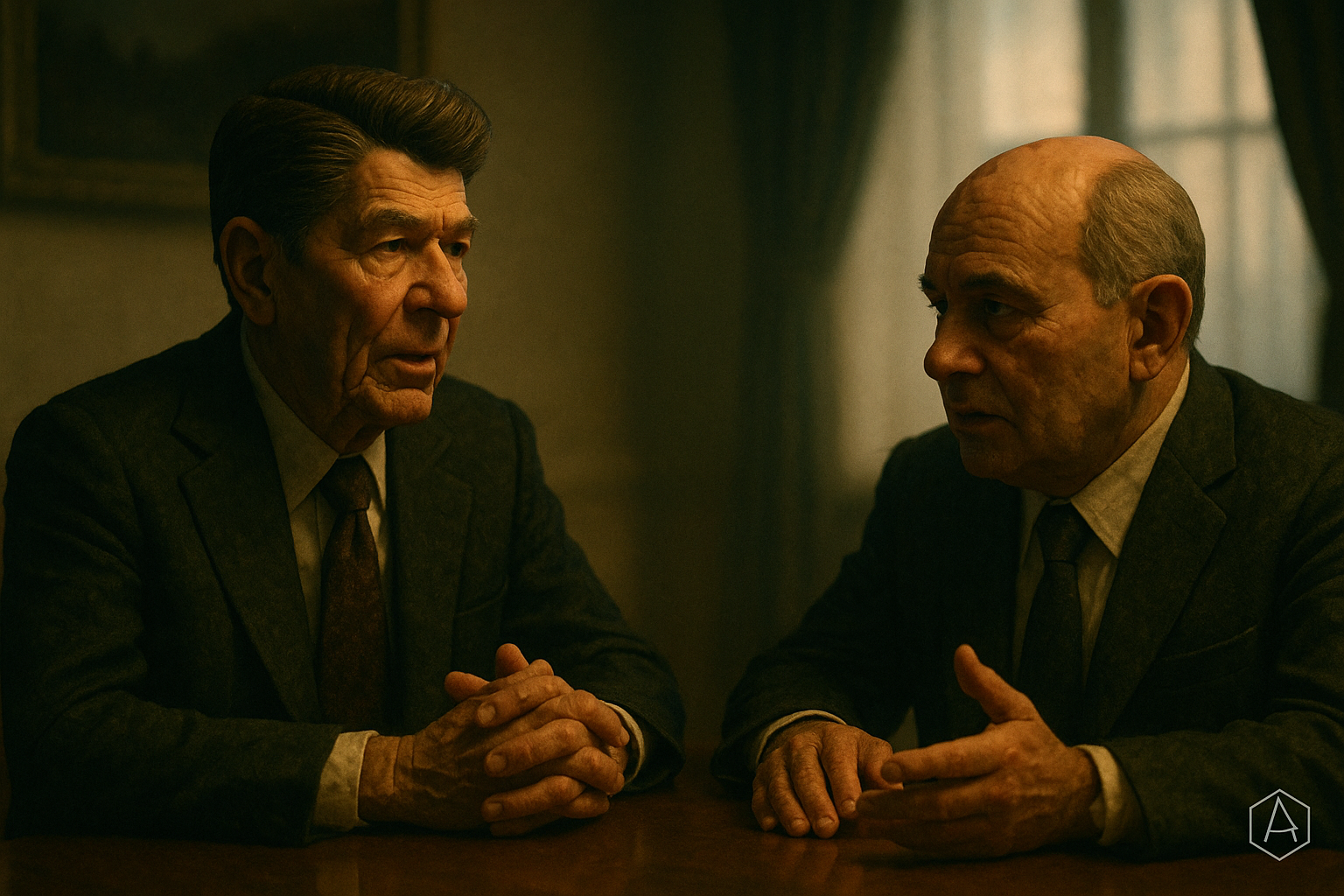
When Reykjavik Nearly Ended the Cold War In October 1986, two men stood on the edge of history inside a white house on a cold Icelandic shore. Ronald Reagan, the Hollywood optimist turned Cold War warrior, and Mikhail Gorbachev, the reformer from a crumbling empire, met to discuss what no leaders had dared: a world Read more
-
“I Don’t Care What the Facts Are”: When America Shot Down a Plane and Bragged About It
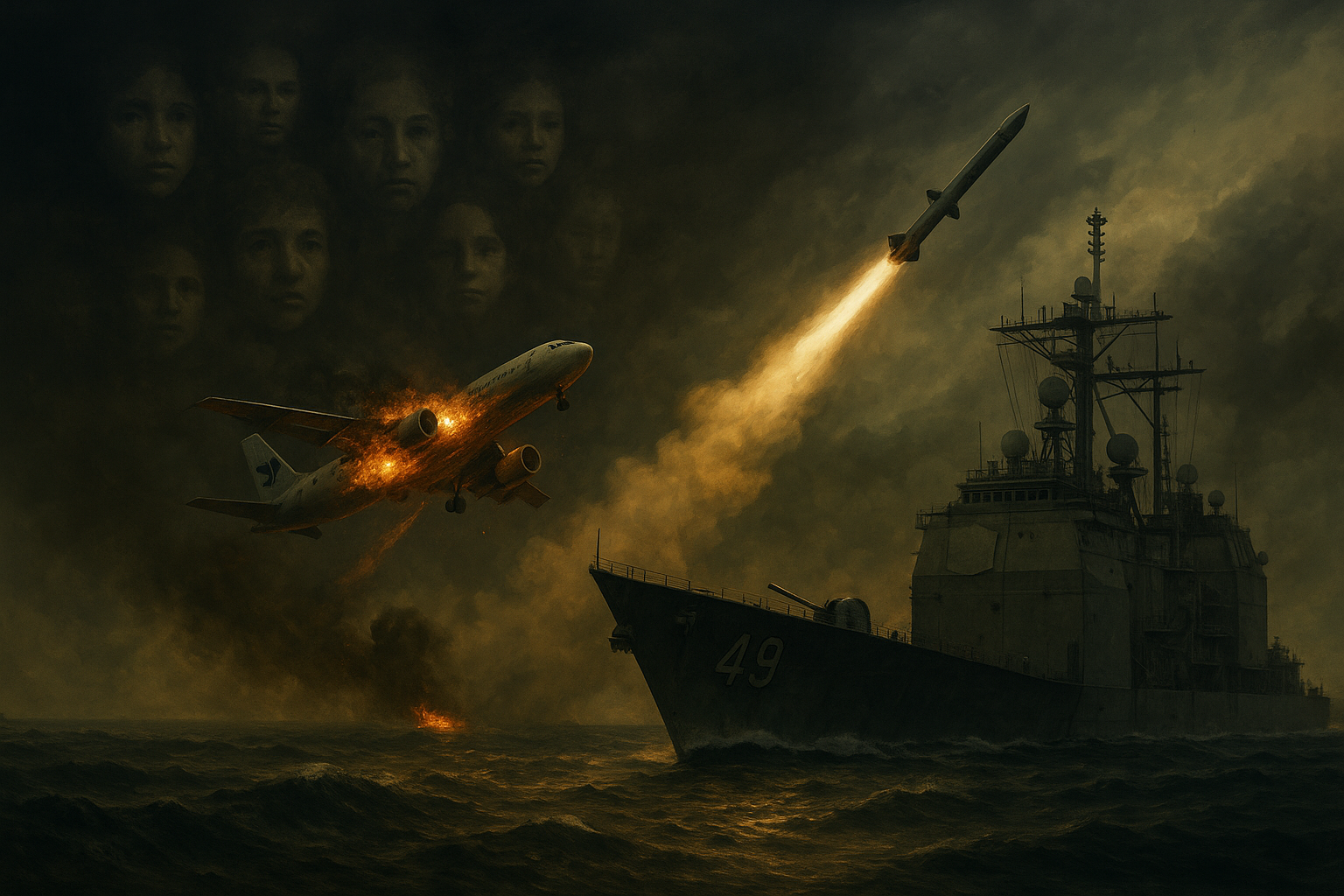
“I Don’t Care What the Facts Are”: When America Shot Down a Plane and Bragged About It On July 3, 1988, a tragedy occurred in the skies above the Persian Gulf that still reverberates through international relations today. Iran Air Flight 655, a commercial Airbus A300 carrying 290 people, was shot down by the United Read more
-
“Tear Down This Wall”: Reagan’s Cold War Challenge That Echoed Through History
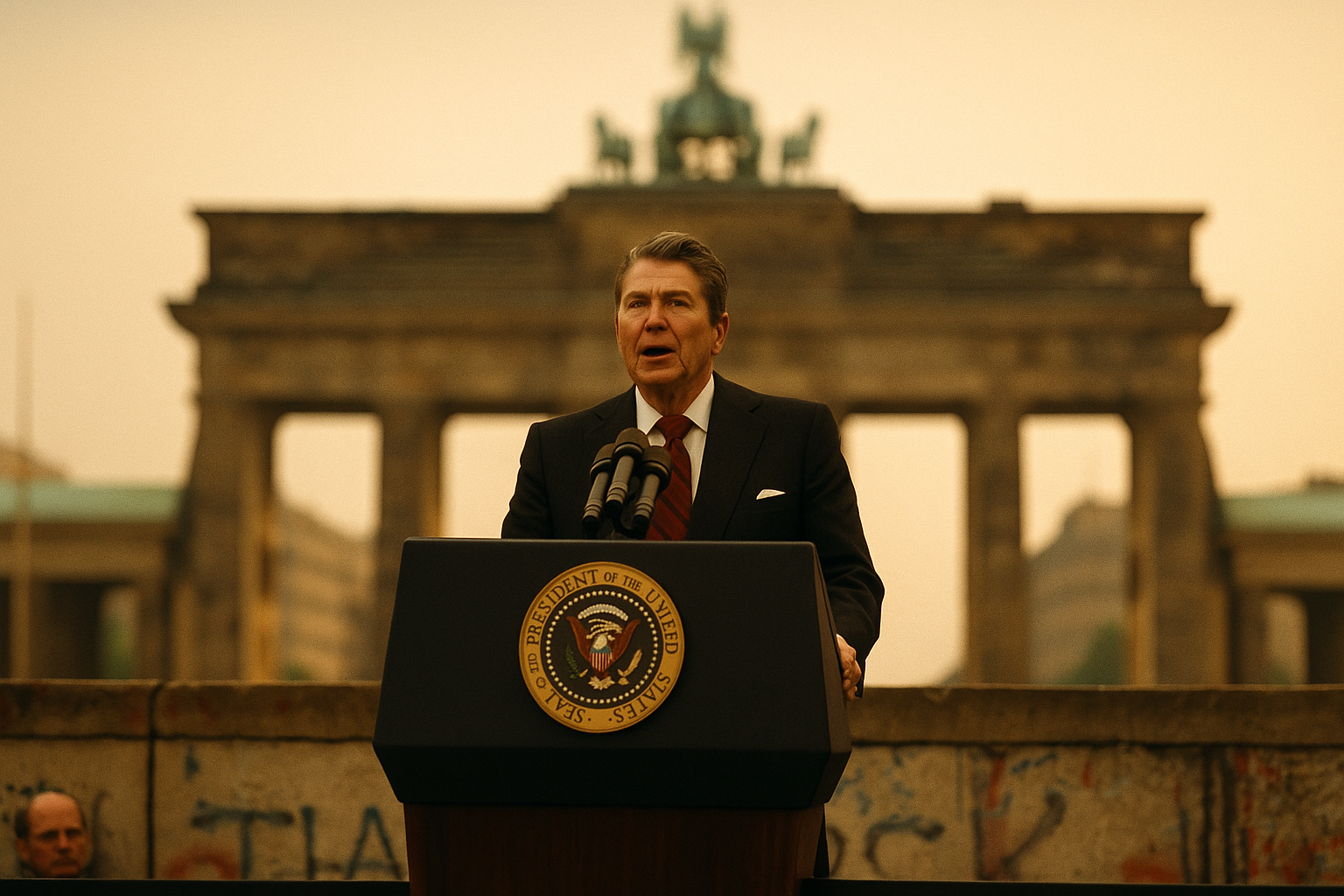
Reagan’s Berlin address turned political rhetoric into a defining Cold War moment that still echoes through modern debates about borders and power. On This Day in Political History: “Mr. Gorbachev, Tear Down This Wall” On June 12, 1987, President Ronald Reagan stood at the Brandenburg Gate in West Berlin and delivered one of the most Read more
-
On This Day: Barack Obama Clinches the Democratic Nomination
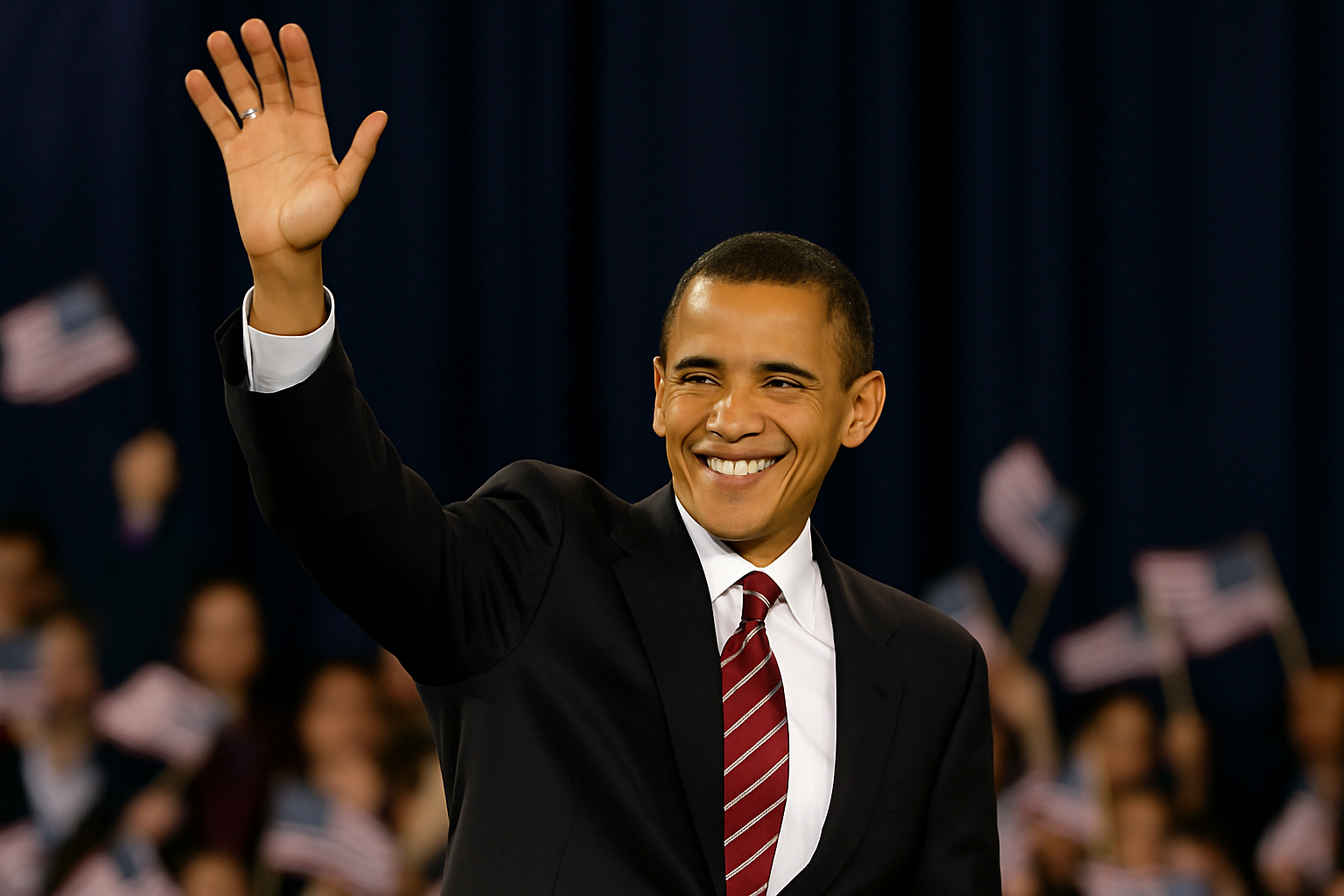
On This Day: Barack Obama Clinches the Democratic Nomination On June 3, 2008, the arc of American politics took a sharp turn toward history. Senator Barack Obama officially clinched the Democratic nomination for President of the United States, becoming the first African American in American history to lead a major party’s presidential ticket. His victory Read more
-
From Silence to Scrutiny: How “Don’t Ask, Don’t Tell” Still Echoes in Today’s Military
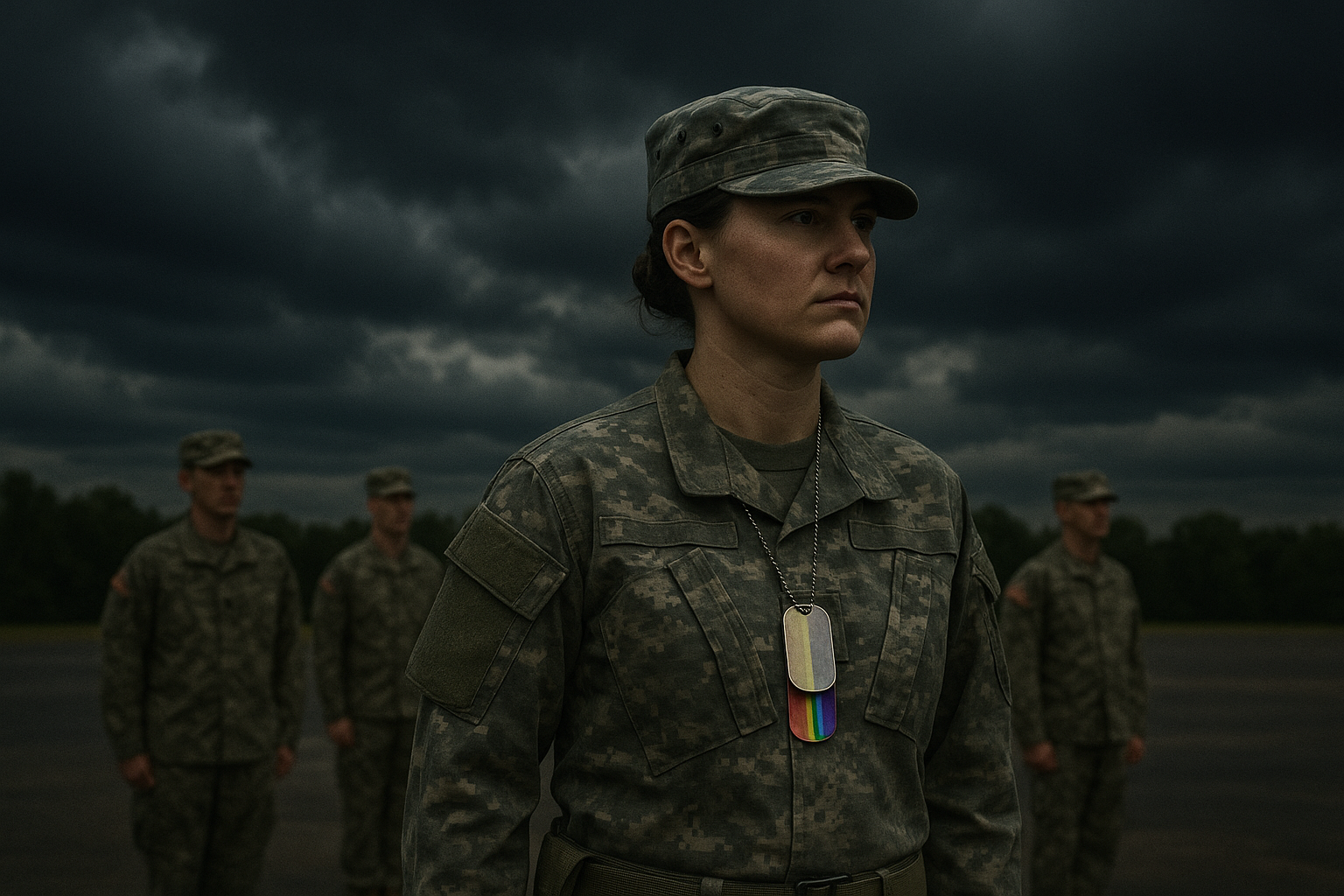
From “Don’t Ask, Don’t Tell” to Today: The Military’s Ongoing Identity Crisis On May 27, 2010, the U.S. House of Representatives voted to begin dismantling a policy that had shaped military culture for nearly twenty years — the infamous “Don’t Ask, Don’t Tell.” With bipartisan support, lawmakers moved to allow LGBTQ+ individuals to serve openly Read more
-
On This Day: The Sedition Act of 1918
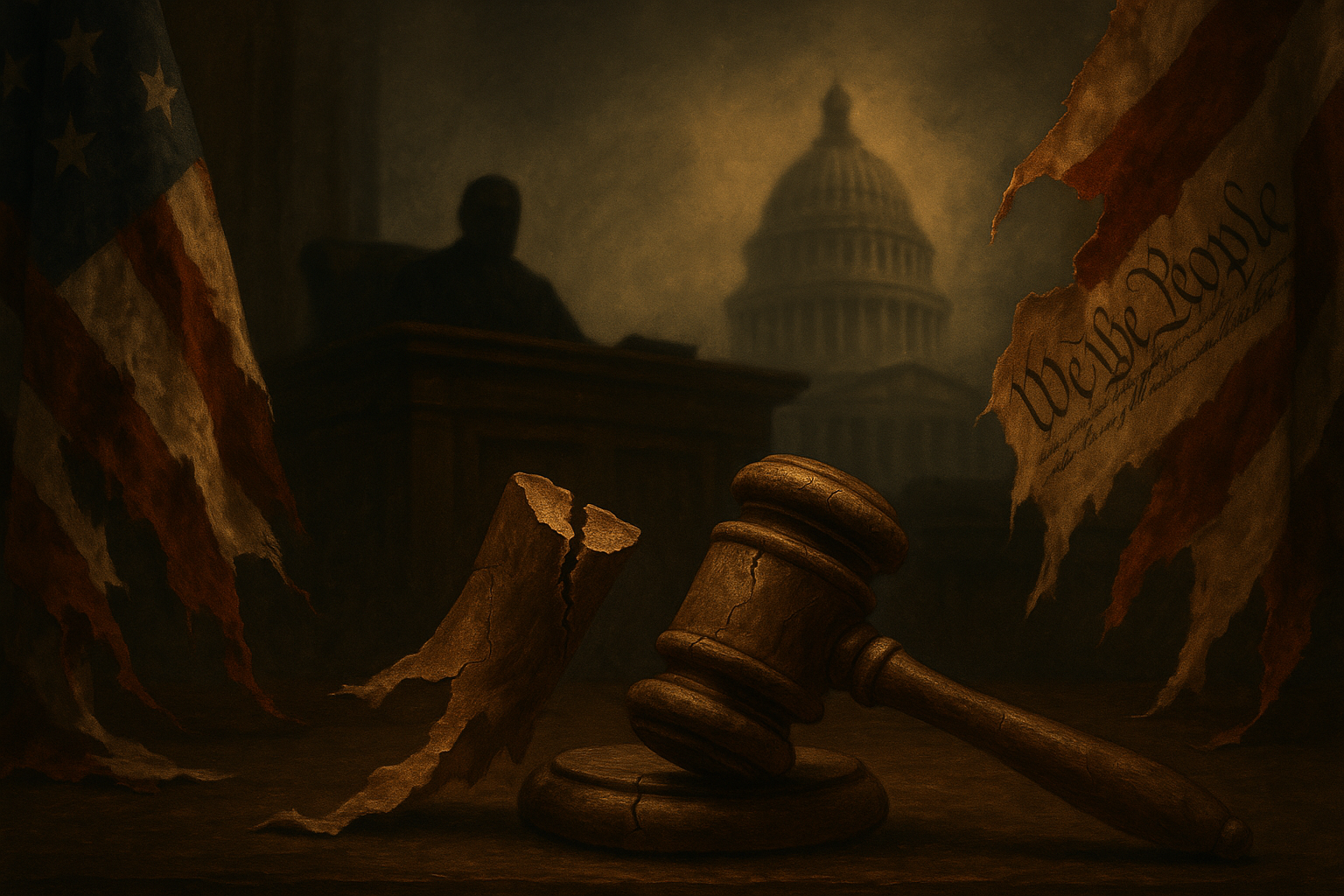
When Free Speech Was Put on Trial The Sedition Act of 1918 marked one of the most aggressive assaults on free speech in American history. On May 21, 1918, the U.S. House of Representatives passed this legislation, which added to the Espionage Act and criminalized dissent during wartime. Far from targeting only traitors or spies, Read more
-
The Boston Marathon Bomber and the Verdict Heard ‘Round the World
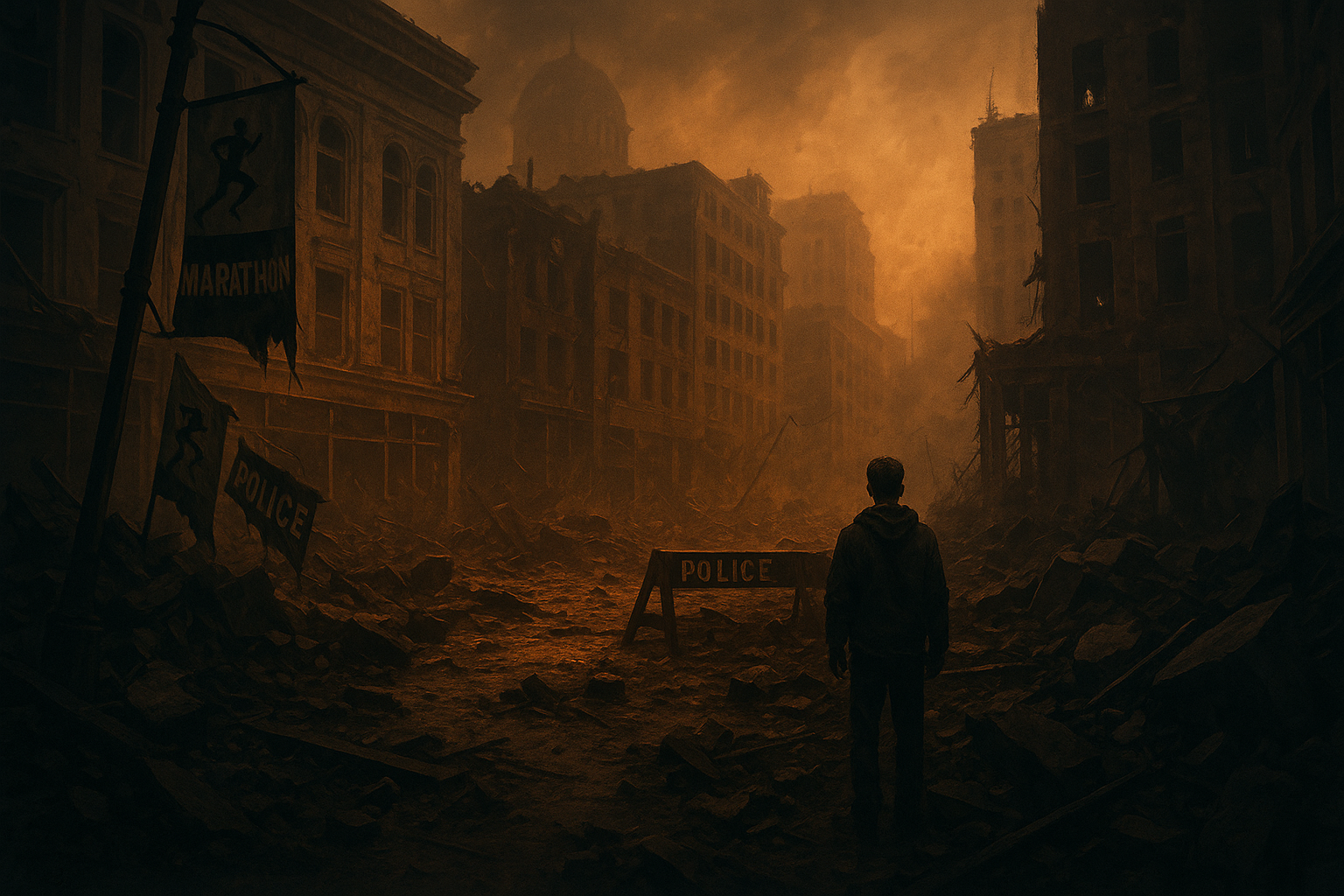
The Boston Marathon Bomber and the Verdict Heard ‘Round the World On April 15, 2013, the finish line of the Boston Marathon transformed into a war zone. What should have been a celebration of perseverance turned into a scene of carnage when two homemade bombs detonated, killing three people and injuring over 260. But it Read more
-
May 11, 1961: How JFK Quietly Escalated the Vietnam War
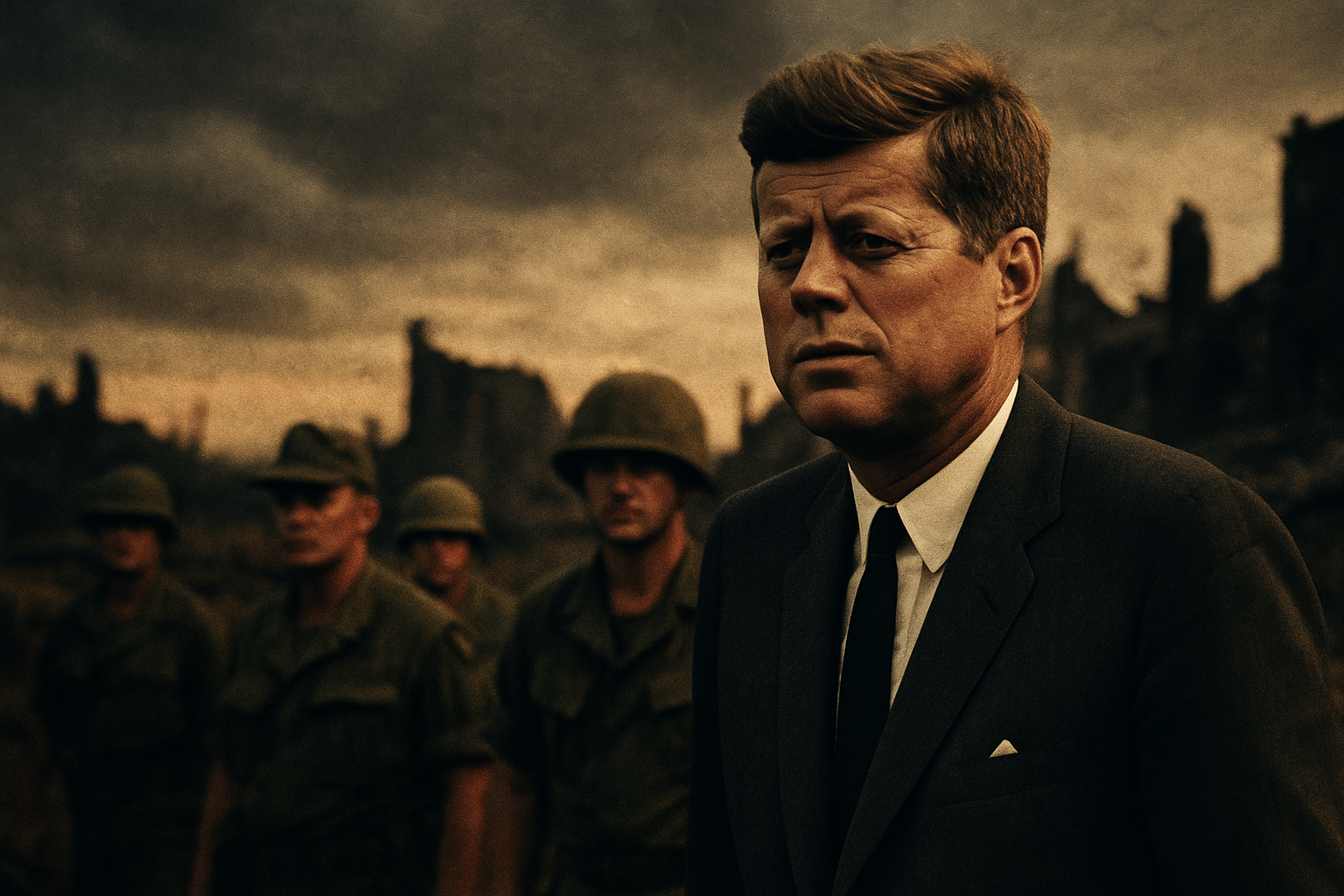
May 11, 1961: How JFK Quietly Escalated the Vietnam War On May 11, 1961, a well-dressed man with perfect hair and a haunted conscience signed off on a quiet little thing—just 400 Special Forces troops and 100 military advisers to South Vietnam. “A modest step,” he might’ve called it. But as history tends to do, Read more
-
Mandela’s Moment and Washington’s Reckoning
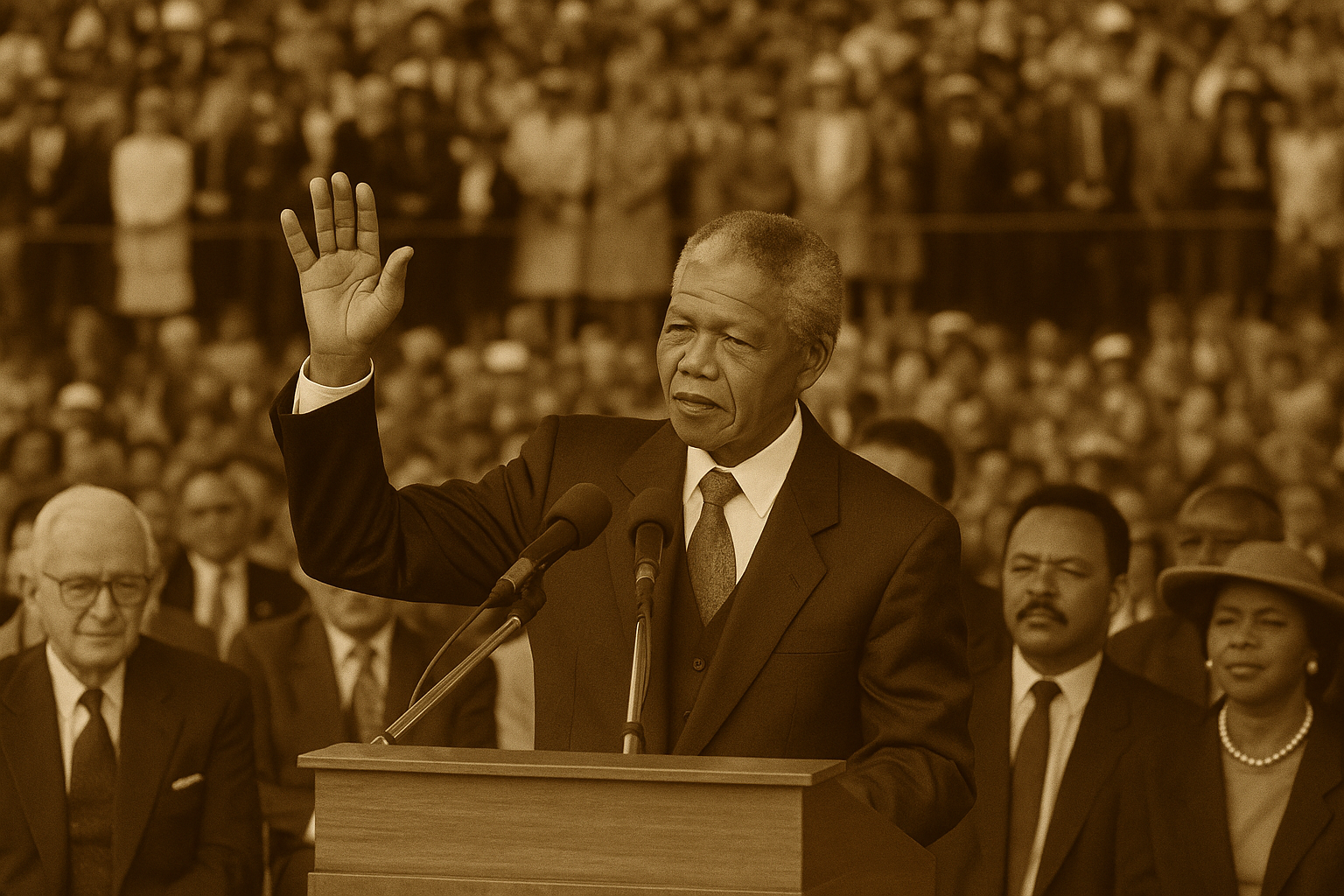
On This Day in American Politics: Mandela’s Moment and Washington’s Reckoning On May 10, 1994, Nelson Mandela was sworn in as South Africa’s first Black president—an iconic moment celebrated around the world. In America, the inauguration triggered both reflection and discomfort, as U.S. politicians confronted their own history of ambivalence toward apartheid. What did it Read more
-
FCC Chairman Calls Television “A Vast Wasteland”
May 9, 1961: Newton Minow’s Vast Wasteland Speech FCC Chairman Newton Minow Calls Television “A Vast Wasteland” On May 9, 1961, Newton Minow, the newly appointed chairman of the Federal Communications Commission, delivered a now-iconic speech to the National Association of Broadcasters. In it, he condemned television programming as a “vast wasteland,” criticizing its obsession Read more
-
May 8, 1973: Watergate Hearings Begin, Exposing a Presidency in Crisis
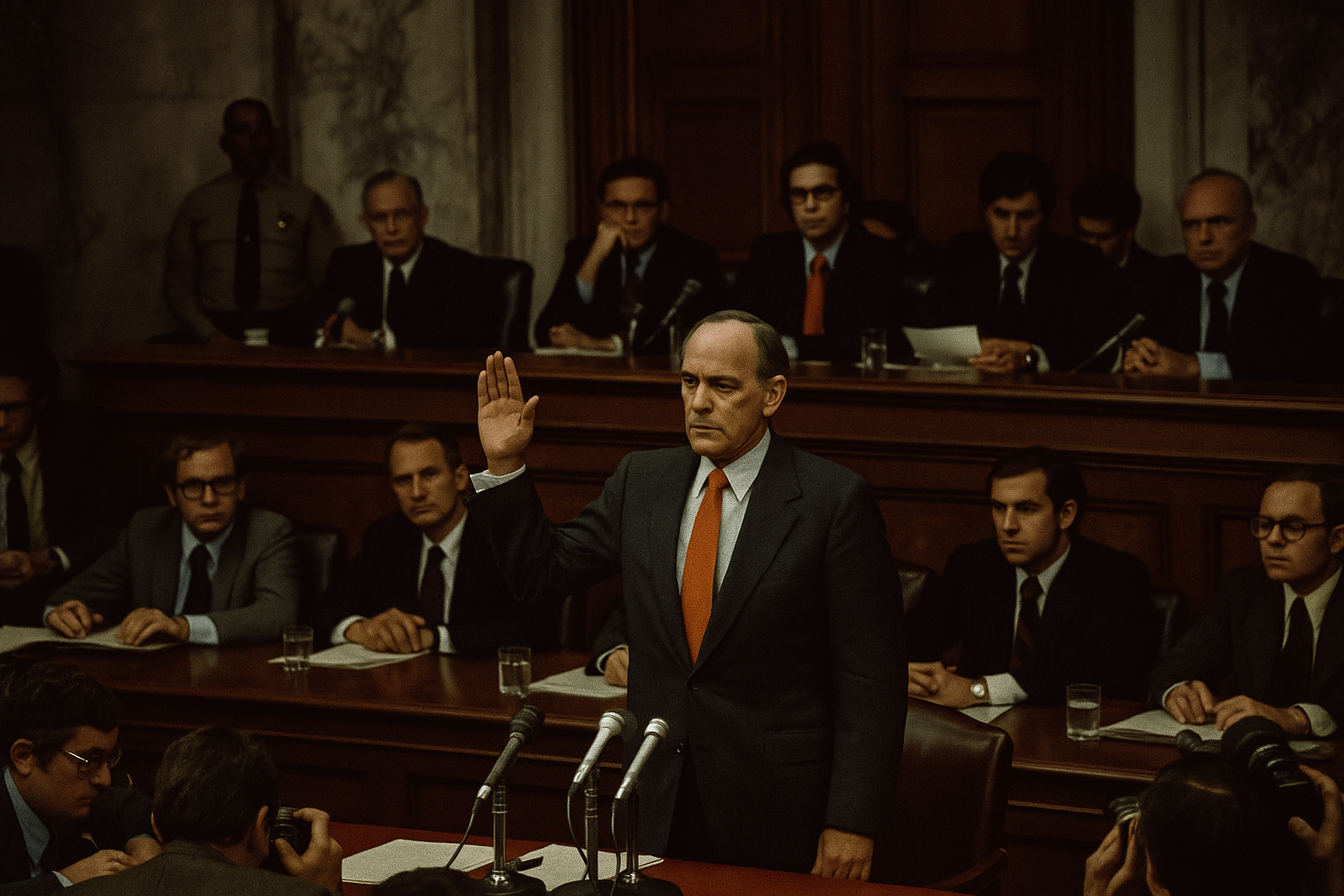
May 8, 1973: Watergate Hearings Begin, Exposing a Presidency in Crisis On May 8, 1973, the United States Senate opened the Watergate hearings, transforming a political scandal into a national spectacle. What began as a seemingly minor burglary at the Democratic National Committee headquarters evolved into a sweeping investigation that would expose corruption at the Read more
-
May 7, 1945: Nazi Germany Surrenders to End World War II in Europe
May 7, 1945: Nazi Germany Surrenders to End World War II in Europe On this day in 1945, silence fell across war-ravaged Europe as Nazi Germany formally surrendered to the Allied forces in Reims, France. The agreement, signed by General Alfred Jodl and accepted by General Eisenhower, ended six brutal years of warfare on the Read more
-
The Chinese Exclusion Act: When America Made Racism Law
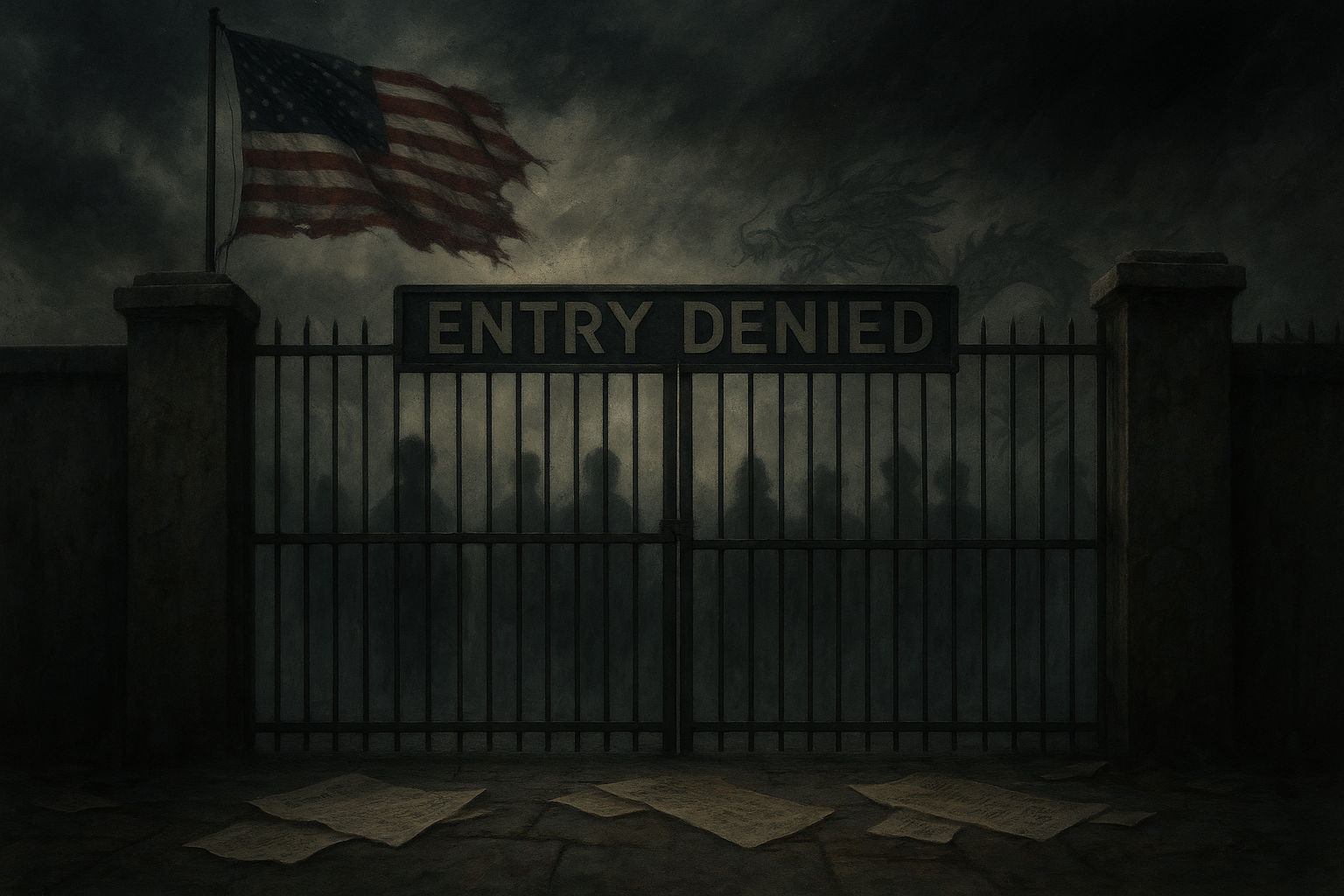
The Chinese Exclusion Act: When America Made Racism Law On May 6, 1882, the United States enacted the Chinese Exclusion Act, marking the first time immigration was restricted based solely on race and nationality. Signed into law by President Chester A. Arthur, the act suspended Chinese labor immigration for ten years and denied Chinese residents Read more
-
May 4, 2006: The Surveillance Rift
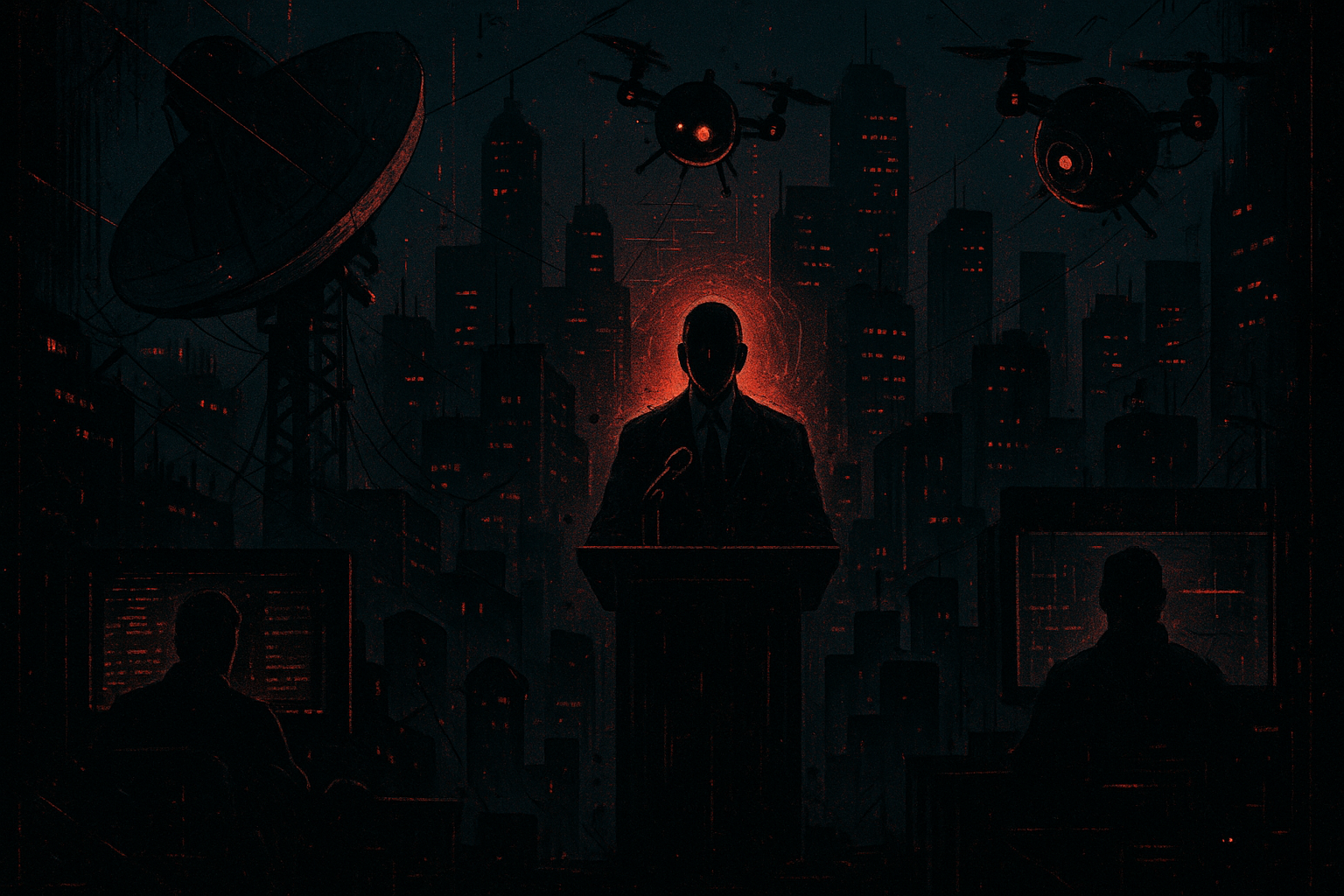
May 4, 2006: The Surveillance Rift On this day in 2006, President George W. Bush nominated Air Force General Michael Hayden—architect of the NSA’s warrantless surveillance program—to lead the CIA. The move sparked intense national debate, pitting national security against constitutional rights. At the heart of it was a question no agency dared answer plainly: Read more
-
May Day; When Protest Met Force
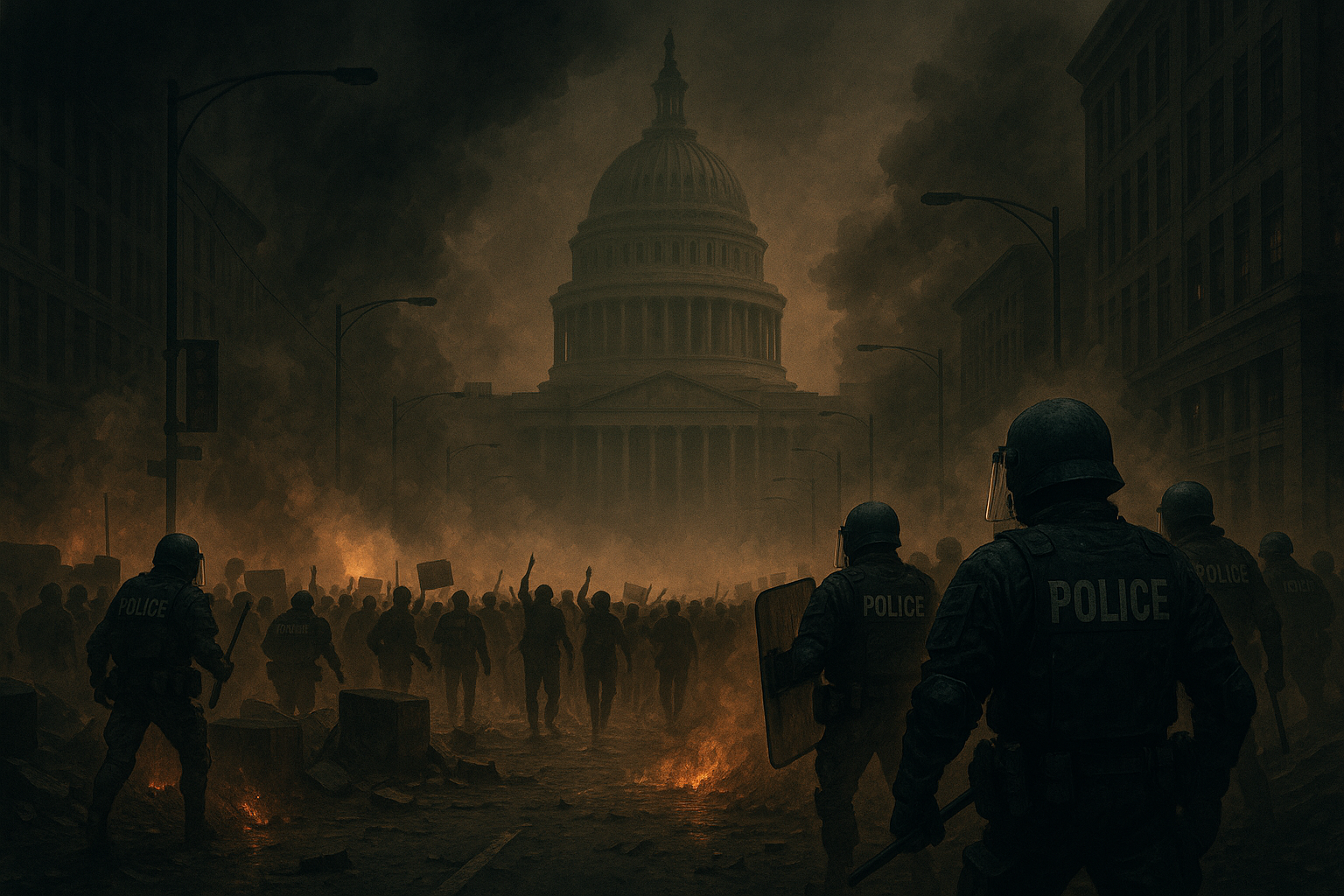
May Day! When Protest Met Force On May 3, 1971, tens of thousands of antiwar demonstrators flooded Washington, D.C. with a promise that sounded less like protest and more like ultimatum: “If the government won’t stop the war, we’ll stop the government.” They came to disrupt daily life in the capital, to force attention onto Read more
-
On This Day: May 1 — The Spy Who Fell from the Sky
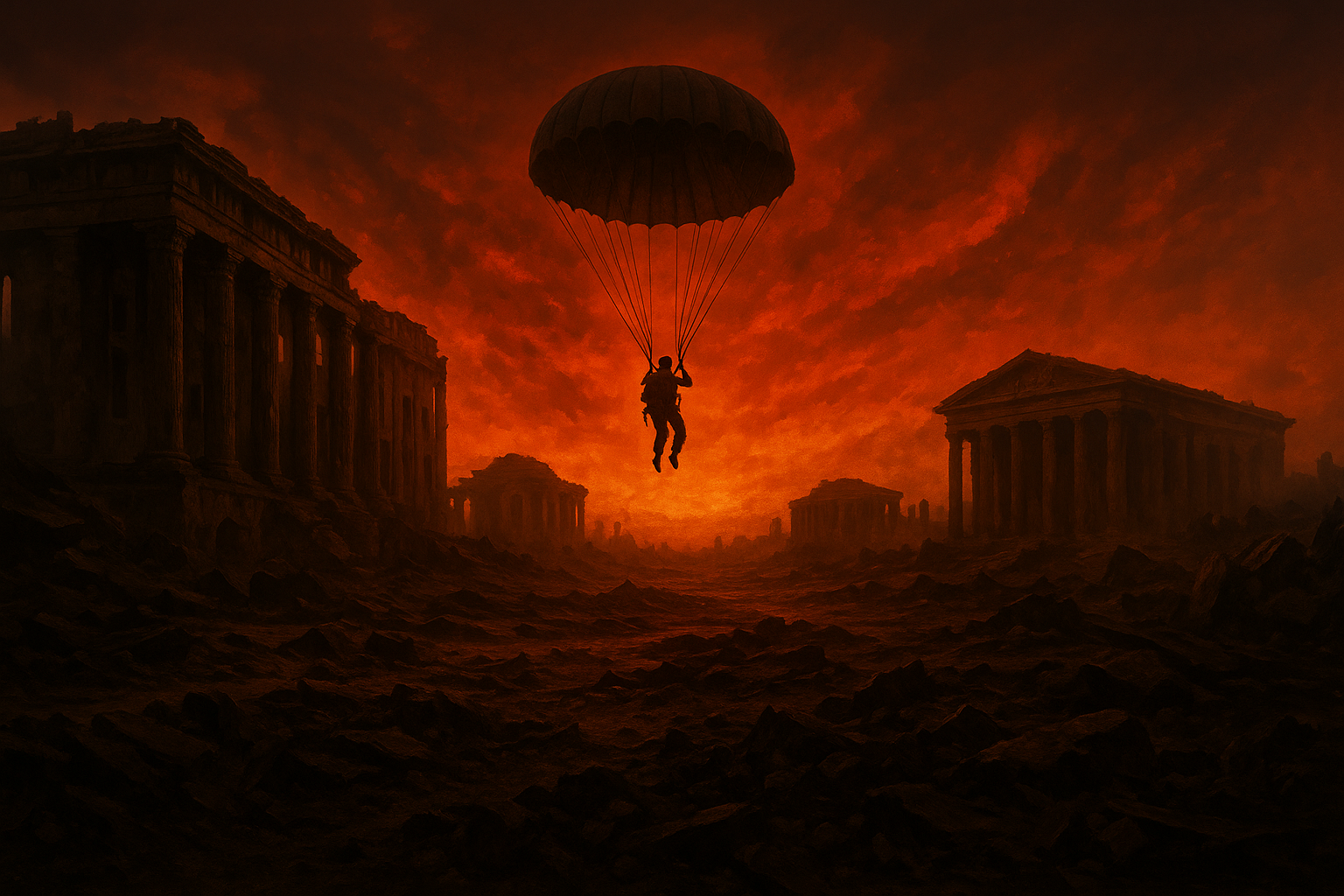
On This Day: May 1 — The Spy Who Fell from the Sky May 1, 1960, wasn’t just another page on the calendar — it was a turning point in Cold War paranoia. A U.S. spy plane soared too high and fell too fast, shattering the illusion of diplomacy mid-flight. For a moment, the world Read more